On this platform, I have raised one of the most difficult dilemmas for the Seventh Day Adventists. This being the Incarnation Dilemma. This dilemma involves explaining how the One Person of Christ became incarnate and underwent death. In the Adventist position, death means a cessation of existence/consciousness. This becomes problematic since Adventist must assert that Jesus’ Humanity truly ceased which is Heretical. This is Nestorianism, the idea that there are two subjects in the Person of the Incarnation insofar as that they can be divided/separated. In the Incarnation 101, one can not separate the Divinity and Humanity of Christ. One important reason why is because if we can truly denote the Divinity of Christ from the Humanity. We could logically deduce that Christ’s sacrifice was only proper to the humanity. And thus asserting a faulty conclusion that Jesus’ sacrifice was no different than a mere man dying. Which is complete blasphemy.
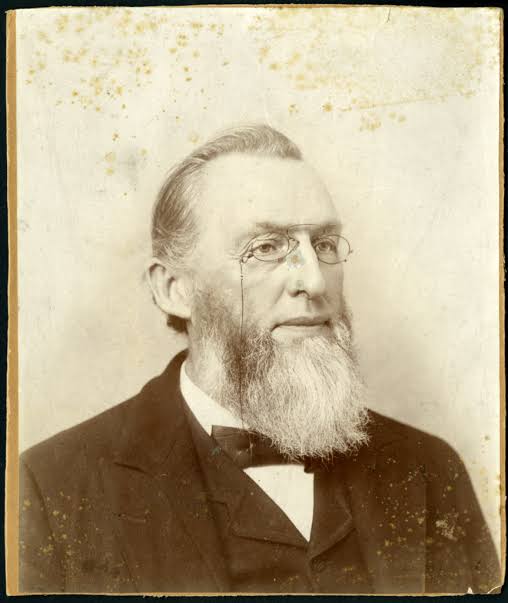
Uriah Smith, and Adventist Pioneer realizes this dilemma. However, as all cowardly heretics do appeal to personal incredulity—completely pathetic. Also this clueless heretic concludes that since Christ was made Incarnate, He physically displaced from Heaven. How does this logically follow Mister Smith? Jesus is the Eternal God who is Omnipresent. Ridiculous.
Smith also commits the Kenosis heresy, asserting that when Christ became Incarnate He “left behing” the Divine Function of immortality. His reasoning being that “if it was not laid aside He would not be able to die”. He says that this facts is “sure”. Remember, in Smith’s worldview–death means cessation of life. Atleast Smith acknowledges the Adventist Dilemma, however his conclusion is erroneous.
Another problem for the Adventist Dilemma is that if Jesus truly left His immortality (Kenosis) when becoming incarnate and then Jesus undergoes death (i.e. cessation of existence/consciousness). When Jesus underwent death everything that subsists in the Person of Christ temporarily ceased.
When Christ left heaven to die for a lost world, he left behind, for the time being, his immortality also. but how could that be laid aside? That it was laid aside is sure, or he could not have died; but he did die, as a whole, as a divine being, as the Son of God, not in body only, while the spirit, the divinity, lived right on; for then the world would have only a human Saviour, a human sacrifice for its sins; [OUCH Smith!] but the prophet says that “his soul” was made “an offering for sin.” Isaiah 53:10. But how this could be done, is a question like a hundred other questions that might be asked concerning this heaven-devised transaction, the answers to which the finite mind could never grasp [A cop-out explanation to retain Nestorianism and other Adventist presupps].
The nature, though not the manner, of this marvelous event, Paul partially reveals in 1 Timothy 3:16: “And without controversy great is the mystery of godliness: God was manifest in the flesh, justified in the Spirit, seen of angels, preached unto the Gentiles, believed on in the world, received up into glory.” “The Word,” says John, “was made flesh, and dwelt among us, (and we beheld his glory, the glory as of the only begotten of the Father,) full of grace and truth.” John 1:14. Again we read: “But we see Jesus, who was made a little lower than the angels for the suffering of death” (Hebrews 2:9), that is, that he might suffer death.
Glory to Jesus Christ, the One who Conquers, the Great God and Judge of Uriah Smith and other heretics. Amen!

 Home
Home 